







Search Results for: Espresso Bomb
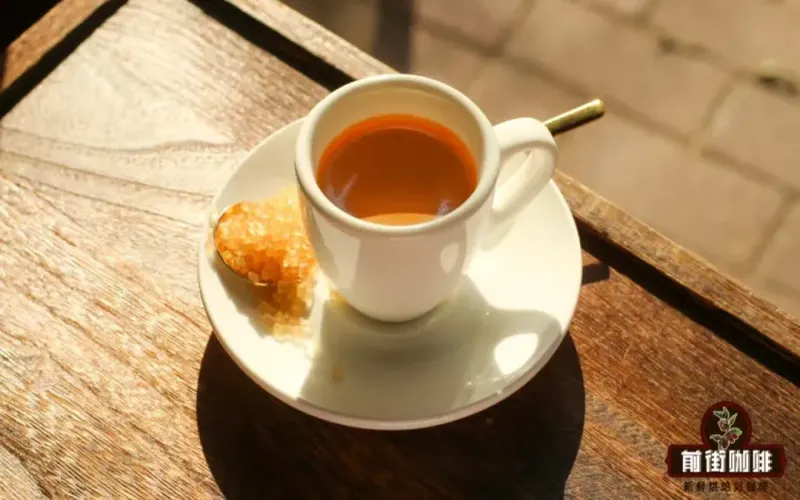
What Is Café Bombón, the Spanish Condensed Milk Espresso? How to Make a Spanish Latte at Home with Recipe Ratios
Many people find coffee's bitterness hard to stomach, so milk, sugar, and condensed milk are often used to balance the flavor—Vietnamese drip coffee is the classic example of condensed milk coffee. But this article is about a regional specialty from Valencia, Spain: Café Bombón. It uses only two ingredients, condensed milk and espresso, and is simple to make, visually appealing with its layers, and tastes sweet, fragrant, and smooth. The Spanish latte offered by chain brands is very likely a derivative of this coffee. Front Street Coffee will break down the meaning of Café Bombón, how it differs from a Spanish latte, and provide specific ingredients, ratios, extraction parameters, and preparation steps, along with recommended Front Street Coffee espresso beans to pair with it, so you can recreate this sweet, rich Spanish-style coffee at home. [more…]
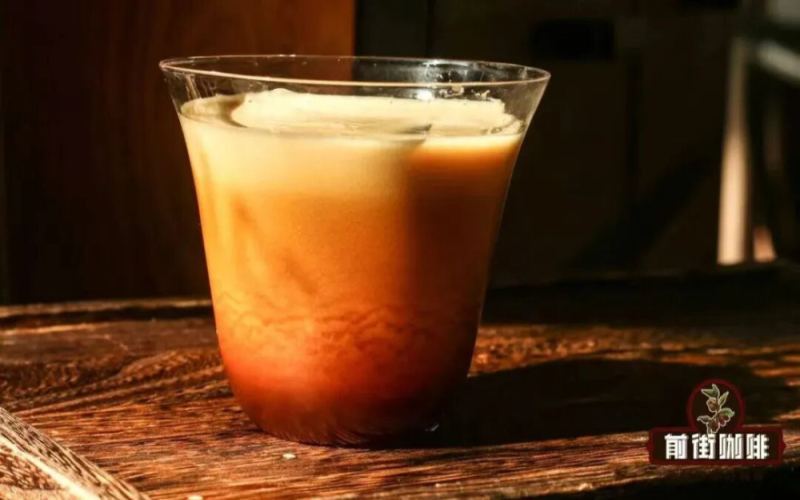
A Detailed Guide to Making Espresso Depth Charge Coffee, Sharing the Taste and Preparation Techniques of Sprite Sparkling Americano
The possibilities of Americano go far beyond simply adding hot water. From iced Americano to sparkling Americano, and further to lava Americano and ice-cube Americano, each variation delivers a completely different taste experience. Recently, a drink called the "sparking espresso bomb" has gone viral online, inspired by the classic deep-water bomb cocktail. The method involves dropping a small cup of espresso into a carbonated beverage, instantly creating a spectacular burst of foam that is both visually stunning and delicious. This article will use Sprite as an example, paired with Front Street Coffee's Strawberry Candy Espresso Blend, to break down in detail the steps and key points for making this specialty Americano, helping coffee lovers easily recreate it at home. [more…]

The Origins and Recipes of Spanish Latte and Café Bombón, Plus an Analysis of Valencia Condensed Milk Coffee's Taste
Adding sugar or milk to coffee has long been commonplace, but pairing coffee with condensed milk is equally distinctive. This article begins with the basic concept of condensed milk, first introducing the condensed milk approach to Vietnamese drip coffee, then focusing on Café Bombón from Valencia, Spain, explaining its simple 1:1 recipe of espresso and condensed milk and the layering principle, before extending to the familiar Spanish latte—which actually has no ties to Spain, but is simply a latte combined with condensed milk. The article also explains that making a Spanish latte calls for full-bodied Italian-style beans, and recommends Front Street Coffee's commercial blend, which combines Brazil and Colombia with a small amount of Robusta, presenting nutty aromas and a low-acid, full-bodied taste. [more…]
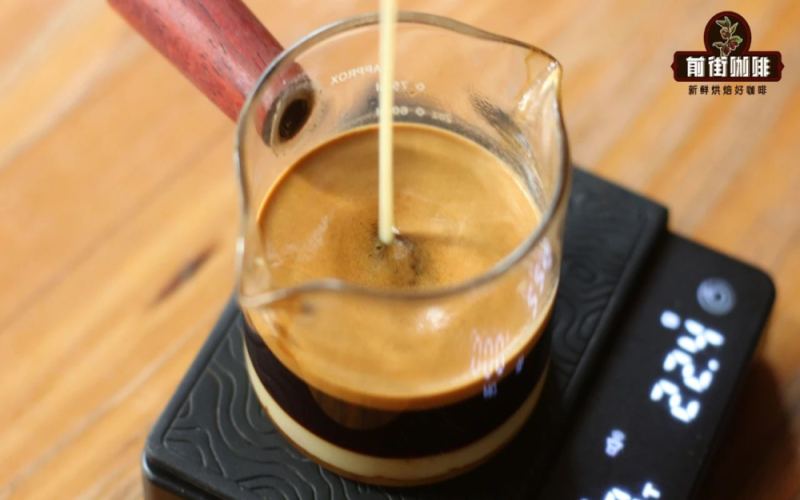
How to Make a Spanish Latte? A Detailed Guide to Recipes, Ratios, and Standard Methods from Condensed Milk Coffee to Café Bombón
Adding condensed milk to coffee has long ceased to be a practice unique to Southeast Asia. Vietnamese drip coffee uses condensed milk to neutralize the bitter, burnt notes of Robusta, while Spain's Café Bombón strikes a stark black-and-white contrast by combining espresso and condensed milk in a one-to-one ratio. Today's wildly popular Spanish Latte on café menus is simply a regular latte with condensed milk added, balancing espresso, fresh milk, and condensed milk in harmony. This article begins with the origins of condensed milk coffee, sorts out the differences between a Spanish Latte and a regular latte, and provides specific ratios, step-by-step instructions, and flavor profiles for both hot and iced versions, helping you reliably recreate this rich, silky milk coffee at home. [more…]
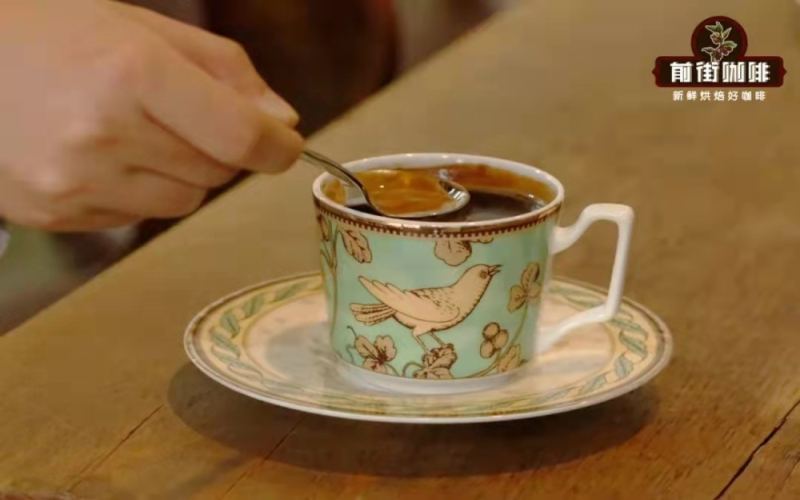
A Complete Guide to Spanish Coffee Culture: Nine Classic Drinks and the Unique Charm of Condensed Milk Coffee
Coffee presents vastly different appearances around the world, and Spain's coffee culture is particularly unique. From Café solo to Café con leche, from Café Bombón to Spanish latte, this Iberian Peninsula nation ingeniously combines coffee with condensed milk, milk, and alcohol, creating a rich and diverse array of drinking styles. Spanish cafés are not only places to drink coffee, but also the core stage of social life. This article will take you deep into the historical origins of Spanish coffee, nine classic flavors, and Front Street's insights on recreating the Spanish latte and Café Bombón, so you can feel coffee's soulful place in Spanish culture. [more…]
How to Make a Spanish Latte? An Analysis of the Ratio of Condensed Milk to Espresso and the Flavor Differences from a Regular Latte
On café menus, the Spanish latte has been appearing frequently in recent years—so what exactly sets it apart from an ordinary latte? This article starts with two condensed-milk coffees, Vietnamese drip coffee and the Spanish Café Bombón, sorts out the role condensed milk plays in coffee, and then explains in detail the recipe ratios for a Spanish latte, both hot and iced methods, as well as the flavor performance brought by the blend beans used in Front Street Coffee shops. If you're curious about how condensed milk balances coffee's bitterness and what the essential difference is between a Spanish latte and a latte, this article will give you clear answers. [more…]

Spanish Latte Didn't Originate in Spain? The Birthplaces of Ice Drip and Cold Brew, and the Beautiful Misunderstanding Behind the Name Arabica
There are quite a few interesting trivia facts hidden in the world of coffee: the Spanish latte is actually not a native Spanish drink, but originates from a candy coffee called Café Bombón; the inventor of cold brew coffee was not Japanese either, but the Dutch of the Age of Discovery. Although the cold drip tower is a Japanese improvement, the roots of cold brew as an extraction method lie in the West; and the name Arabica stems from a beautiful misunderstanding—it rose to prominence in Yemen, yet it did not originate in Arabia. Its true homeland is Ethiopia. This article guides you through these coffee trivia facts one by one, while retaining relevant recommendations from the Front Street brand for coffee enthusiasts to gain a deeper understanding. [more…]
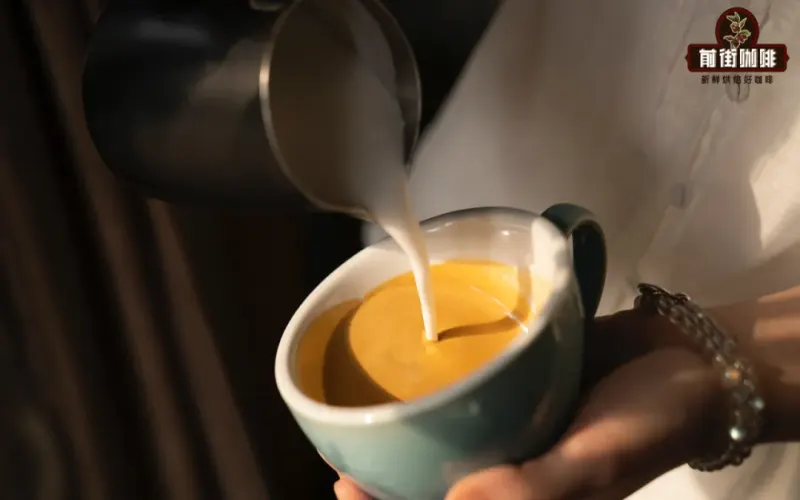
What to Do If Espresso Is Too Bitter to Drink Straight? A Complete Guide to Fancy Ways to Enjoy It with Sugar, Milk, Lemon, and More
Espresso is extremely concentrated with intense flavor, but not everyone can accept its strong bitterness when drunk straight. Without changing the concentration of the espresso, adding sugar, dairy products, lemon, salt and other seasonings to balance the bitterness allows people to enjoy the richness of highly concentrated coffee while avoiding the unpleasant bitterness. This article summarizes a variety of fancy ways to drink espresso: the sweet neutralization of white sugar, yellow sugar, and brown sugar; the cream topping of Con Panna; the small amount of milk garnish of Macchiato; the condensed milk pairing of Spanish candy coffee; the balance of lemon acidity and granulated sugar in Roman espresso; and the little trick of adding salt to reduce bitterness. All espresso in this article is extracted using Front Street Classic Blend, with parameters of 20g, 30s, 40ml, and flavor notes of chocolate, nuts, cream, and cookies. [more…]
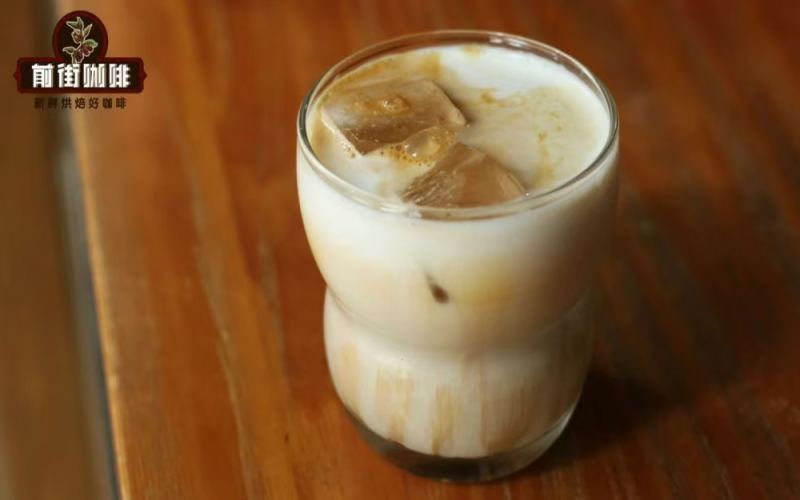
Spanish Latte Recipe | Can You Add Condensed Milk to Black Coffee? What's the Difference Between a Spanish Latte and a Regular Latte? What's the Milk-to-Coffee Ratio in a Spanish Latte?
Today, the menus in coffee shops are rich and diverse, and in order to cater to more people's tastes, adding various dairy products and flavored syrups to coffee is also very common. So have you ever heard of coffee with condensed milk? Adding condensed milk is to mask the strong bitterness in coffee. In Vietnam, the aroma of coffee drifts through the streets and alleys. [more…]
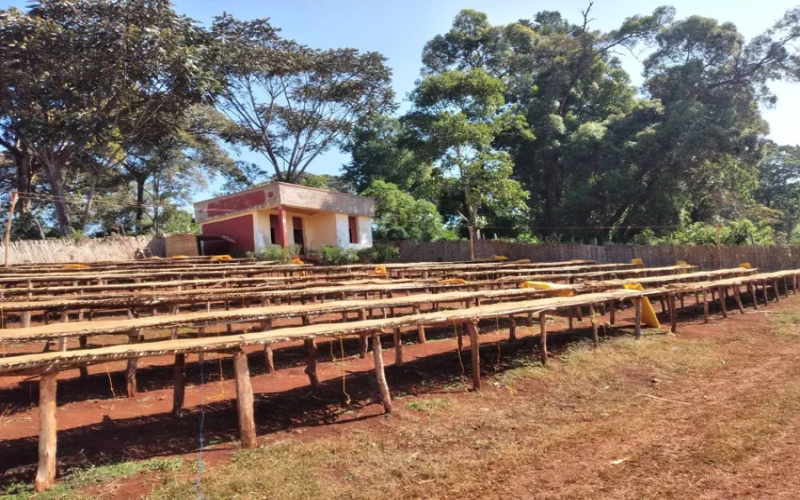
Yirgacheffe Red Cherry Project Full Analysis: A Sun-Dried Coffee Guide from Origin Grading to Flavor Brewing
Yirgacheffe Red Cherry coffee beans are the starting point for many coffee enthusiasts venturing into specialty coffee. Front Street Yirgacheffe, with its affordable price and berry flavors that overturn traditional expectations, has become the top choice for beginners. This article systematically sorts through Yirgacheffe's regional background, grading system, the ins and outs of the Red Cherry program, as well as the roast curve and brewing parameters of Front Street's natural Red Cherry, guiding you to fully understand the charm of this "fruit bomb." [more…]
Exploring Ethiopia Yirgacheffe Natural Red Cherry: A Complete Interpretation from Terroir to Cup Flavor
Yirgacheffe has always been regarded as the top choice region for stepping into the world of specialty coffee, and Front Street Coffee's Yirgacheffe Natural Red Cherry has won the favor of many enthusiasts with its outstanding value for money and distinct flavor. This article will start with Yirgacheffe's geographical environment and the region's history, sort out the grading standards under the two major processing systems of washed and natural, and deeply interpret the origin and operating mechanism of the Red Cherry Project. At the same time, we will also disclose the roasting curve design approach for Front Street's beans, the cupping flavor performance, and pour-over parameter recommendations, taking you through a complete understanding of what makes this coffee bean hailed as a "fruit bomb" so charming. [more…]
Origins of Coffee Cultivation in Colombia and the Course of Industry Development: From Missionary Introduction to the Founding of FNC
Colombia is the world's second-largest producer of Arabica coffee after Brazil, but coffee cultivation there is not native to the land. As early as the beginning of the eighteenth century, coffee seeds crossed the ocean to this land aboard the ships of Spanish missionaries. From scattered plantings during the colonial period, to becoming a major export product by the end of the nineteenth century, and then to the rise of the smallholder model and the birth of the FNC after the Thousand Days' War, Colombian coffee has traversed a winding and distinctive path of development. In Front Street Coffee's everyday-drinking bean series, a washed Colombian bean from the Huila region showcases the authentic character of this classic producing region with its rich dark chocolate notes and gentle fruit acidity. [more…]
Analysis of Pour-Over Parameters for Medium-Dark and Dark Roast Coffee Beans and Recommended Suitable Varieties
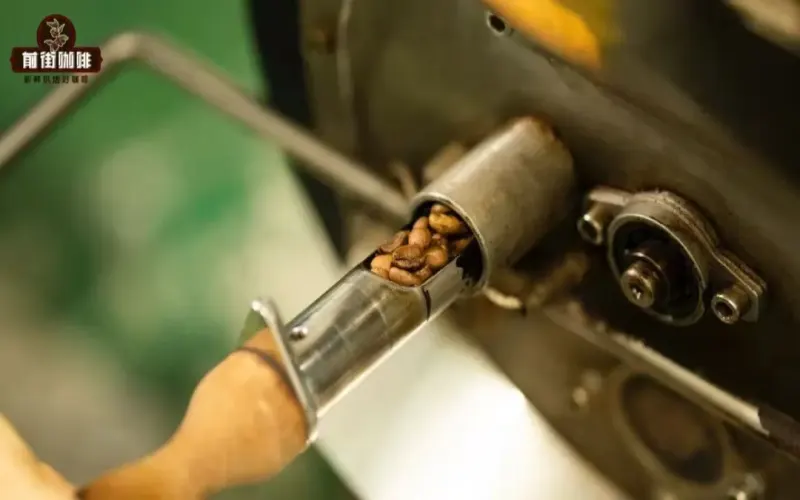
The roasting degree of coffee beans directly affects the flavor profile: light roasts highlight acidity and floral notes, while medium-dark roasts bring the rich, mellow feel of nuts, chocolate, and caramel. Starting from roasting types, this article sorts out the characteristics and representative products of medium, medium-dark, and dark roasted coffee beans, and provides parameter references for pour-over brewing methods for dark roasted beans. For coffee lovers who prefer low acidity and a rich taste, the article also introduces several medium-dark roasted single origins and espresso blends under Front Street Coffee, helping you find the cup that suits you between pour-over and espresso. [more…]
Flavor characteristics and making method of Spanish Latte: How is it different from a regular latte?
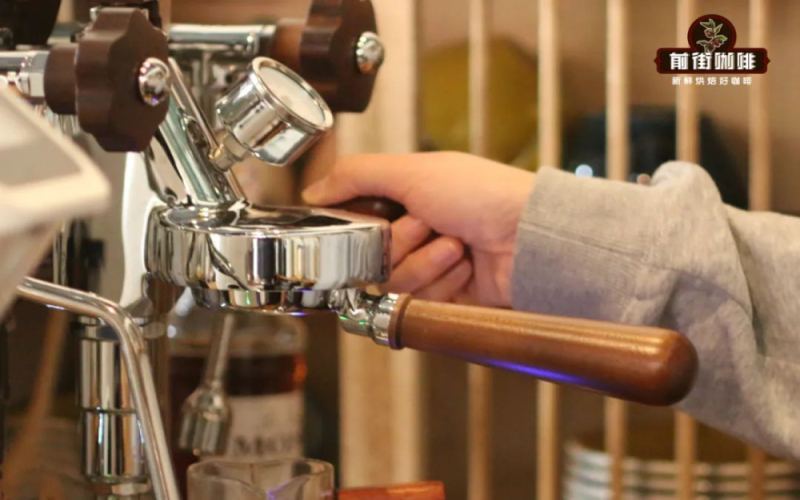
Spanish Latte has gained popularity in recent years with the expansion of %Arabica, but it has no direct connection to Spain itself; instead, it is closer to the condensed milk style of Vietnamese drip coffee. This drink consists of espresso, milk, and condensed milk, essentially a latte with condensed milk added. The Middle East particularly favors this sweet coffee, with sales of Spanish Latte in the UAE even accounting for half of the country's coffee consumption. To make it, extremely finely ground coffee powder is needed, extracted through a moka pot or a portable espresso machine. Front Street Coffee recommends using "Front Street Sunflower Warm Sun Blend Coffee Beans," which can bring rich layers of wine aroma, berry, vanilla cream, and nutty caramel. After extraction, add condensed milk and stir, and you can enjoy the sweet and rich Spanish Latte. [more…]
Espresso Bean Selection Guide: How Coffee Shops Craft a Balanced and Smooth Coffee Blend
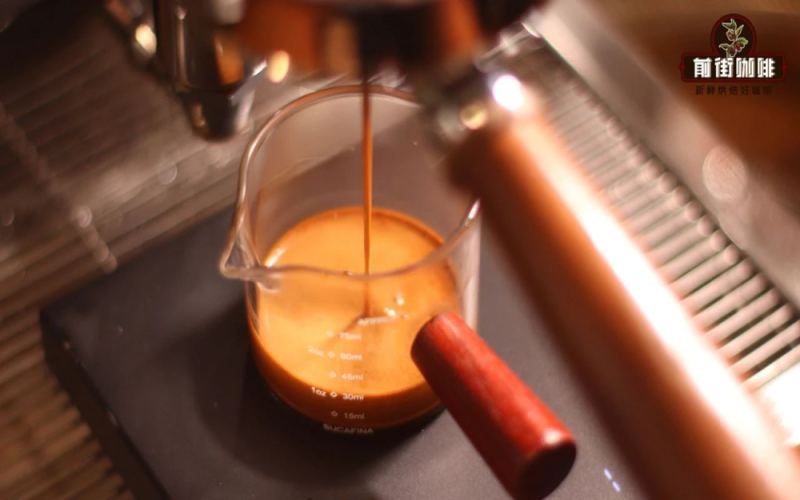
Espresso is a magnifying glass for coffee flavor—any flaw or virtue is multiplied several times over, which is why finding a satisfying blend bean is no easy task. What kind of espresso beans does a coffee shop really need? This article analyzes the question from three angles: choice of roast level, the universal appeal of sweetness, and collaboration within the blending team. Drawing on customer survey data and tasting experience from trade shows, it explores how to balance acidity and bitterness, and how to satisfy both espresso and milk-based coffee offerings. It also recommends products such as Front Street Classic Blend and Front Street Specialty Blend, offering coffee professionals a practical reference for selecting beans. [more…]
Can a Moka Pot Replace an Espresso Machine? Exploring the Real Differences in Extraction Strength and Crema Performance
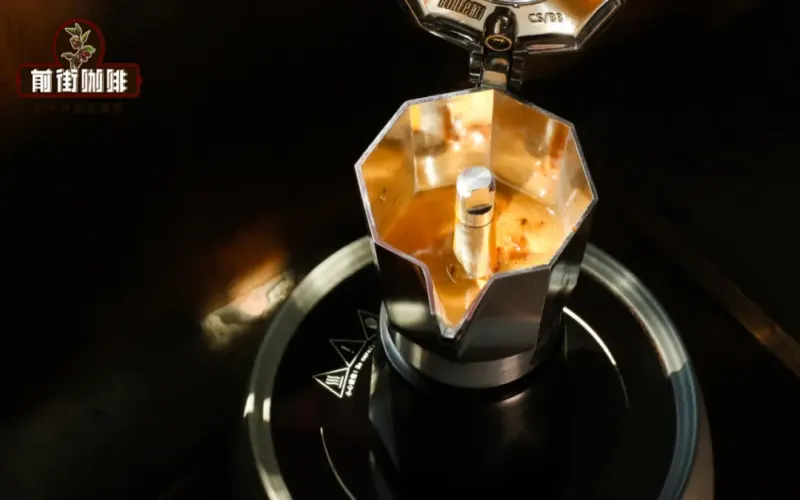
Many coffee enthusiasts considering a Moka pot wonder: can it replace an espresso machine? After all, espresso machines are quite expensive, while Moka pots are much more affordable. The "replacement" mentioned here is not a complete functional substitute, but rather whether the coffee made with a Moka pot can stand in for espresso in making drinks. Although both use pressurized extraction and produce a concentration higher than single-origin coffee, what are the actual differences in performance? Front Street Coffee analyzes this through comparative experiments, examining concentration, crema, and mouthfeel one by one, and explains that the Moka pot's maximum pressure is only about 3 bar, while an espresso machine can reach 9 bar, which determines that it cannot replicate the thick, heavy texture of espresso. However, the Moka pot was never designed to replace the espresso machine; its portability, ease of use, and affordability are enough to meet light daily needs. [more…]
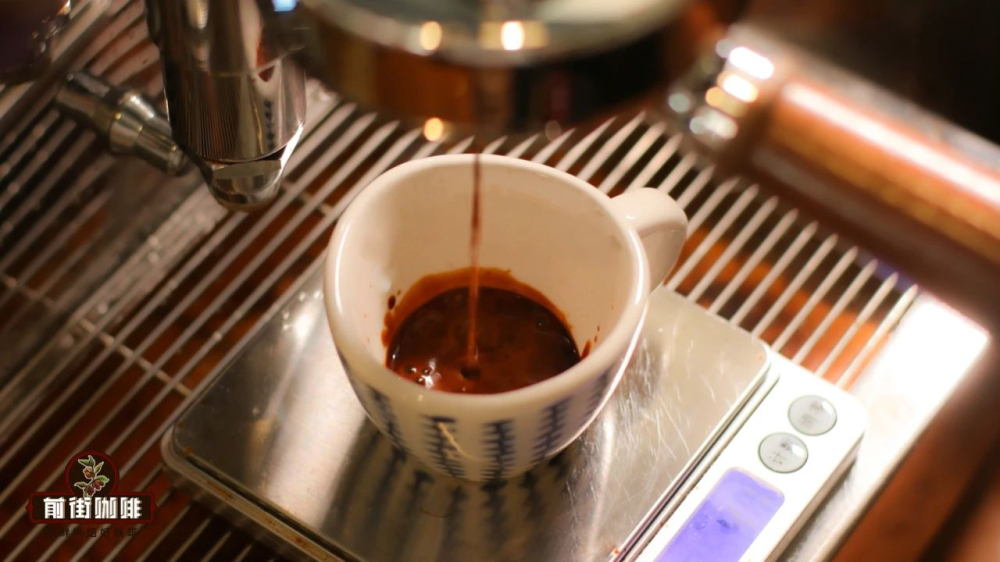
Benefits of Americano black coffee | Where did Americano coffee originate? How much caffeine is in a cup of Americano? What are the pros and cons of drinking Americano?
Many customers of FrontStreet Coffee wonder why espresso-based drinks include Americano. Literally, Americano means American-style coffee. Front Street believes there are mainly two correct ways to drink Americano: one is [more…]
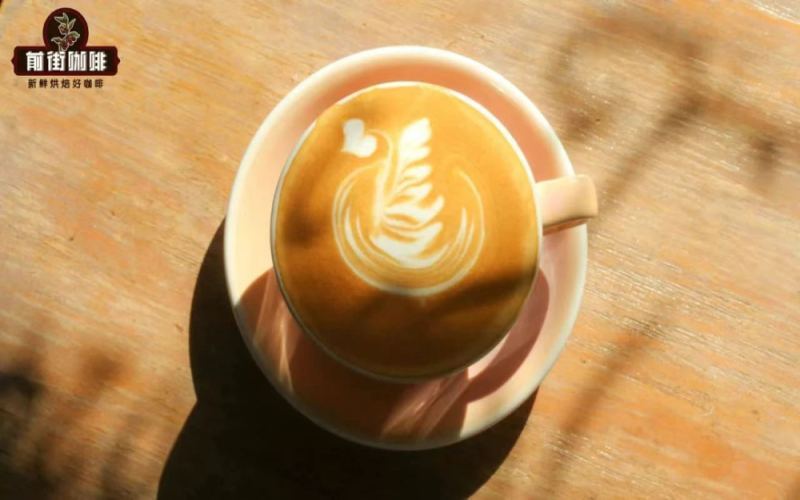
What exactly is a semi-latte? A full analysis of the espresso, milk, and cream ratios in a Breve coffee and how it differs from a latte
Everyone is familiar with lattes, but do you know what a "half latte" is? It's not a small latte, nor a latte with less espresso, but rather a popular Italian-style coffee in the United States—the Breve. The Breve is almost identical to a latte in cup size and preparation method, with the key difference being the dairy: milk makes up only half, and the other half is replaced with cream. Because of this, it's jokingly called a "half latte." The fat from the cream makes the texture richer and smoother, and the coffee flavor more pronounced. This article will guide you through the origins of the Breve, its specific differences from a latte, and share Front Street Coffee's complete preparation process and ratio recommendations, including the proportions of espresso, milk, and cream, as well as steps like frothing, blending, and latte art, to help you easily recreate this rich and smooth coffee at home. [more…]
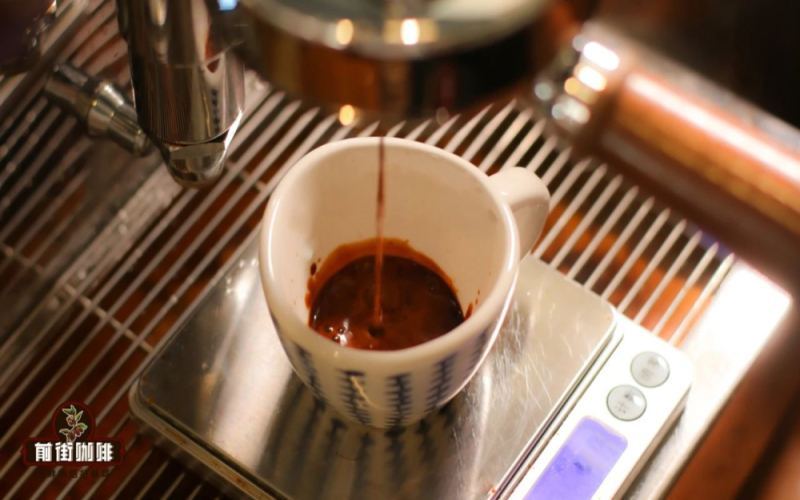
An Analysis of the Flavor Differences Between Espresso and Americano, and the Historical Origins of Americano
Although Americano and Espresso are both coffee drinks, they differ significantly in flavor and mouthfeel. From the perspective of Front Street Coffee, this article outlines the definition and historical origins of Americano and its core differences from Espresso, and explores in depth how coffee beans of different roast levels affect the flavor of Americano. The article also introduces how Front Street Coffee's products such as Huakui, Blue Mountain, Golden Mandheling, and Warm Sun Blend perform in Americano, compares the differences between Americano and Latte in calories and weight-loss effects, and finally includes the correct way to taste Americano, providing coffee lovers with a systematic and practical reference. [more…]
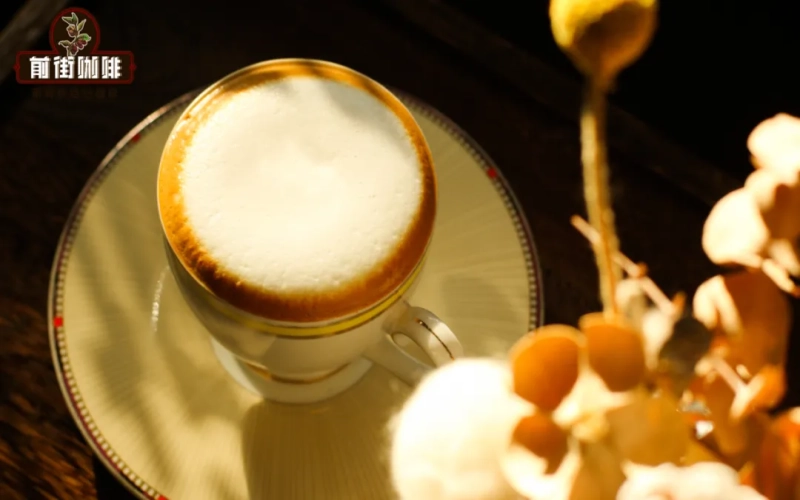
What's the difference between a cappuccino and a latte? A full breakdown of the dry and wet versions, the golden ring method, and the milk-to-coffee ratio
What exactly is the difference between a cappuccino and a latte? Why is cappuccino, despite sharing the same name, divided into "dry" and "wet" versions? This article begins with a special order request encountered at a Front Street store, taking you back through the origins of cappuccino, clarifying the difference between it and a latte in terms of the ratio of milk to coffee, and breaking down in detail the causes and characteristics of dry and wet cappuccinos. At the same time, the article will also share Front Street Coffee's recommended espresso blend bean choices, and how to use espresso and thick milk foam to make a cup of old-school cappuccino with a golden ring, helping you fully understand the layers and charm of this classic milk coffee. [more…]